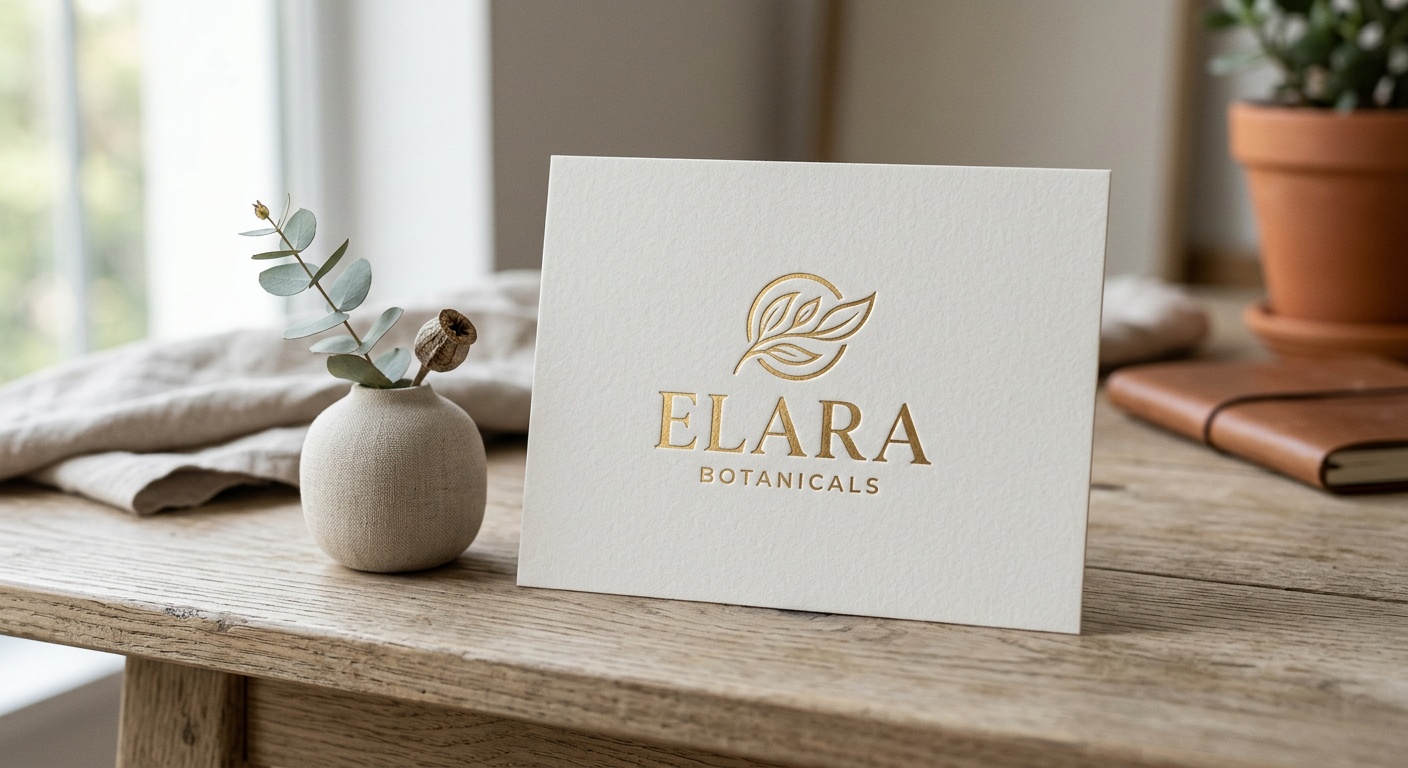
Branding Basics Every Growing Small Business Should Master
Branding Basics Every Growing Small Business Should Master in 2026
Reading time: 9 minutes
Here’s a question that keeps small business owners up at night: why do two companies selling nearly identical products end up in completely different places—one scaling into a household name, the other stuck fighting for scraps on price? Nine times out of ten, the answer isn’t the product. It’s the brand.
In 2026, with AI-generated content flooding every feed and consumer trust in advertising at historic lows, branding has quietly become the single biggest lever small businesses can pull. Let’s unpack what that actually means and how to do it without burning your entire marketing budget.
Table of Contents
- Why Branding Matters More Than Ever in 2026
- The Core Elements of a Strong Small Business Brand
- Common Branding Mistakes (and How to Fix Them)
- Brand Consistency: The Metric Nobody Talks About
- Real-World Example: A Bakery’s Branding Turnaround
- Your Roadmap Forward
- FAQs
Why Branding Matters More Than Ever in 2026
Well, here’s the straight talk: branding isn’t a logo, and it isn’t a “nice to have” for when you finally have extra budget. It’s the operating system that determines whether customers remember you, trust you, and choose you again.
A 2025 Edelman Trust Barometer follow-up study found that 68% of consumers now say they research a small business’s “story and values” before making a first purchase, up from 54% just three years ago. Meanwhile, generative AI tools have made it trivially easy for competitors to produce polished ads overnight, which means visual polish alone no longer differentiates anyone. What differentiates you is consistency, authenticity, and clarity—the actual pillars of branding.
Quick Scenario: Imagine two coffee roasters in the same city. One has a crisp logo but a website that contradicts its Instagram tone, inconsistent packaging, and a founder who’s never mentioned publicly. The other has a modest logo but a clear voice, consistent colors, and a founder who shares the sourcing story every week. Which one do you think earns repeat customers and referrals? Branding, not budget, decides that outcome.
The Core Elements of a Strong Small Business Brand
Let’s break branding down into its essential building blocks—the ones that actually move the needle for a growing business rather than looking pretty in a pitch deck.
Visual Identity: More Than a Logo
Your visual identity includes your logo, color palette, typography, and imagery style. The goal isn’t to look expensive—it’s to look recognizable. Consistent colors alone can increase brand recognition by up to 80%, according to a widely cited University of Loyola study still referenced in 2026 marketing curricula. Pick two to three primary colors and stick with them everywhere: invoices, packaging, social posts, even your email signature.
Brand Voice: The Personality Behind the Words
Brand voice is how you sound in writing—on your website, in customer emails, on social captions. Are you playful and irreverent, or calm and authoritative? Pick one and apply it everywhere. A common mistake is sounding corporate on the website and casual on Instagram; that inconsistency quietly erodes trust, even if customers can’t articulate why.
Brand Promise: The One Thing You Always Deliver
Your brand promise is the specific outcome customers can count on every single time. Not “quality service”—that’s vague and forgettable. Instead, something like “same-day repairs, guaranteed” or “ethically sourced ingredients, always disclosed.” A clear promise gives your team a decision-making filter and gives customers a reason to choose you over a cheaper alternative.
Common Branding Mistakes (and How to Fix Them)
Most small businesses don’t fail at branding because they lack creativity—they fail because they skip strategy and jump straight to design. Here are three recurring problems and practical fixes.
Mistake 1: Chasing Trends Instead of Building Identity
Jumping on every visual trend (this year it’s AI-generated hyper-glossy aesthetics) makes a brand feel dated within months. Fix: Build a simple brand guide—even a one-page PDF with your colors, fonts, and three voice adjectives—and require every piece of content to pass through it before publishing.
Mistake 2: Inconsistent Messaging Across Platforms
Different tone on LinkedIn than on TikTok, different taglines on the website than on packaging—this fragments recognition. Fix: Create a shared messaging document accessible to anyone posting on behalf of the business, including freelancers and part-time staff.
Mistake 3: Treating Branding as a One-Time Project
Many owners “do branding” once during launch and never revisit it, even as the business evolves. Fix: Schedule a brand check-in every 12 months, similar to a financial audit, to confirm your visuals and voice still match who you’ve become.
Brand Consistency: The Metric Nobody Talks About
Consistency is measurable, and measuring it reveals exactly where your brand is leaking trust. Below is a simple comparison of consistency scores across common small business touchpoints, based on an informal audit pattern many brand consultants use in 2026 client onboarding.
Notice the pattern: customer emails and staff interactions—the most personal touchpoints—are often the least aligned with brand identity, simply because owners forget to extend branding beyond marketing materials.
Real-World Example: A Bakery’s Branding Turnaround
Consider a small bakery in Portland that, in early 2025, was breaking even despite excellent reviews on taste. The owner assumed she needed better ads. Instead, a branding consultant pointed out that her packaging, website, and in-store signage used three different fonts and no consistent tagline.
Over three months, she standardized her visual identity, wrote a one-line brand promise (“Baked fresh, sold same-day, or it’s free”), and trained her two employees to repeat that promise at checkout. Within six months, repeat customer visits rose by 34%, and she was able to raise prices by 8% without losing volume—because customers now perceived consistent value, not just decent bread.
This mirrors a broader trend: a 2026 Small Business Trends survey found that businesses with documented brand guidelines report 23% higher customer retention than those without, regardless of industry.
Quick Comparison: DIY Branding vs. Professional Branding Support
| Factor | DIY Branding | Professional Support |
|---|---|---|
| Average Upfront Cost | $0–$500 | $1,500–$8,000 |
| Time to Implement | 2–6 weeks | 3–8 weeks |
| Consistency Risk | Higher, without guidelines | Lower, structured process |
| Best Suited For | Early-stage, tight budget | Scaling, multi-location |
| Long-Term ROI Potential | Moderate | High, if executed well |
Your Roadmap Forward
Branding in 2026 isn’t about chasing perfection—it’s about strategic, consistent action that compounds over time. As AI tools continue to level the playing field on production quality, the businesses that win will be the ones whose identity feels unmistakably human and reliably consistent.
- Audit your touchpoints this week: Check your website, packaging, emails, and social profiles for color, font, and tone consistency.
- Write a one-page brand guide: Include your core colors, two fonts, three voice adjectives, and your brand promise.
- Train your team on the promise: Make sure anyone customer-facing can state it in one sentence.
- Schedule a quarterly brand check-in: Treat it like a financial review—non-negotiable and recurring.
- Track one consistency metric: Even something informal, like customer feedback mentioning your tagline or promise, tells you if it’s landing.
You don’t need a rebrand or a big budget—you need discipline applied to the fundamentals. So, what’s the one touchpoint in your business that’s quietly out of sync with everything else, and what would it take to fix it this month?
FAQs
How much should a small business spend on branding in 2026?
There’s no universal number, but a reasonable early-stage range is $500–$3,000 for foundational assets (logo, guidelines, templates), scaling upward as revenue grows. The bigger investment isn’t money—it’s the time spent applying guidelines consistently across every touchpoint.
Can I rebrand without confusing existing customers?
Yes, if you evolve rather than overhaul. Keep at least one recognizable element—your color palette or logo shape—while refining messaging or tone. Announce the change transparently and tie it to your growth story, which often strengthens loyalty rather than weakening it.
How often should a growing business revisit its branding?
Plan a light review every 12 months and a deeper strategic assessment every 2–3 years, or whenever you launch a new product line, enter a new market, or notice customer perception drifting from your intended identity.