How Property Marketing Attracts Investors to Greek Hotel Deals
How Property Marketing Attracts Investors to Greek Hotel Deals
Reading time: 9 minutes
Table of Contents
- Why Greek Hospitality Is Suddenly the Talk of Investment Circles
- The Marketing Machinery Behind Every Successful Hotel Sale
- What Makes a Listing Irresistible: Storytelling Meets Data
- Digital Channels That Actually Move the Needle
- Comparing Marketing Approaches: A Data Snapshot
- Common Challenges (And How Smart Sellers Overcome Them)
- Case Studies From the Field
- Frequently Asked Questions
- Your Roadmap Forward
Why Greek Hospitality Is Suddenly the Talk of Investment Circles
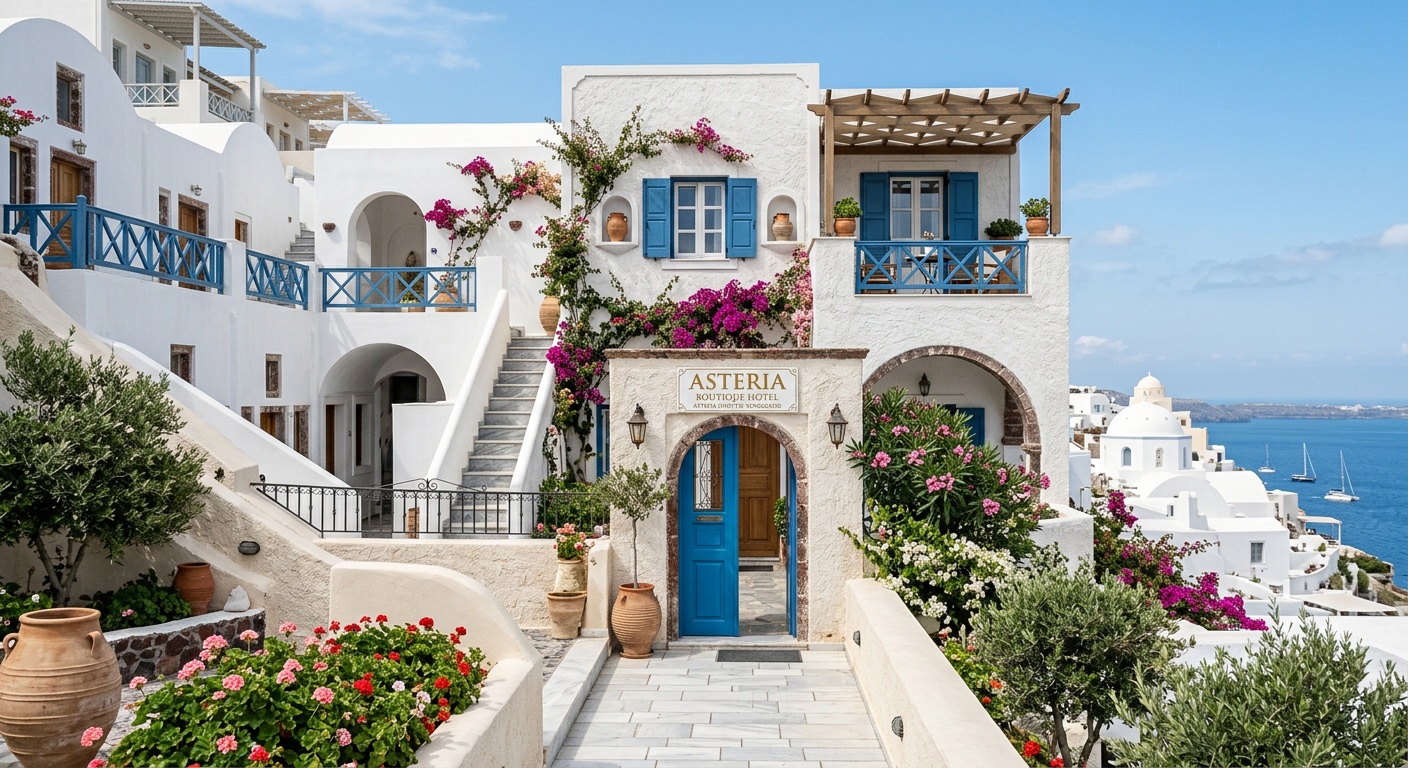
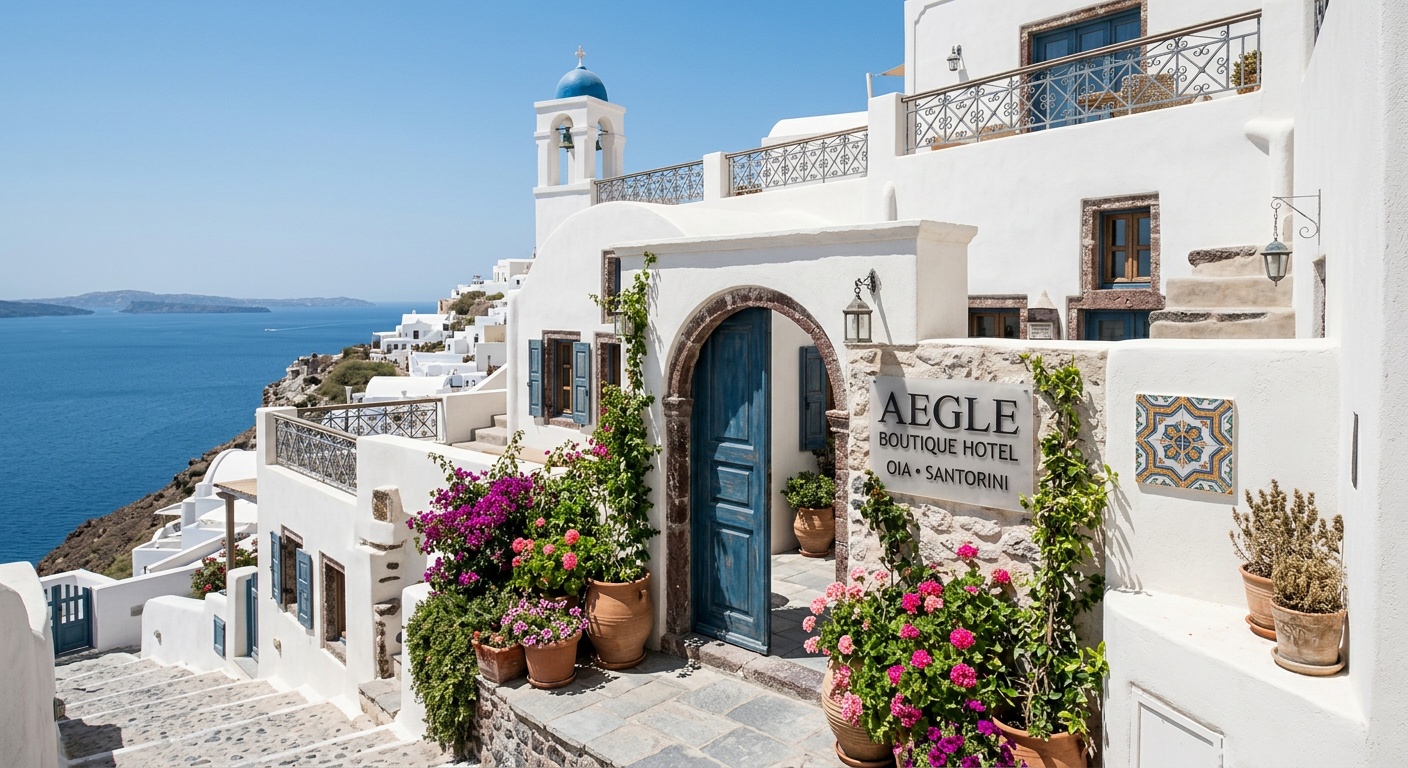
Ever wonder why your inbox seems flooded with glossy brochures about boutique hotels on Santorini or beachfront resorts in Crete? You’re not imagining it. Greece’s tourism sector welcomed over 36 million visitors in 2025, and early 2026 bookings suggest another record-breaking season is on the way. That kind of demand doesn’t just fill hotel rooms—it fills investor pipelines too.
Here’s the straight talk: hospitality assets in Greece aren’t selling themselves. Behind every headline-grabbing acquisition is a carefully engineered marketing strategy designed to make a property irresistible to the right buyer. Whether you’re a seasoned fund manager or someone dabbling in real estate investing for the first time, understanding how these campaigns work can help you spot genuine opportunity versus hype.
The Marketing Machinery Behind Every Successful Hotel Sale
Quick Scenario: Imagine you’re an agency tasked with selling a 45-room boutique property in Rhodes. The building is charming, occupancy is strong, but the owner hasn’t updated the listing photos since 2019. What happens? The property sits. Buyers scroll past it. Value gets left on the table.
Now flip the script. A skilled marketing team steps in, commissions professional drone footage, builds a financial performance dashboard, and crafts a narrative around the island’s growing luxury segment. Inquiries triple within weeks. This isn’t magic—it’s methodology.
Positioning Matters More Than Ever
Greek hotel marketing in 2026 hinges on positioning. Buyers aren’t just purchasing bricks and sea views; they’re buying into a lifestyle brand, a revenue trajectory, and a regulatory environment that’s grown noticeably friendlier toward foreign capital. Agencies that understand this shift package properties accordingly—emphasizing yield potential, renovation upside, and licensing simplicity rather than just square footage.
Trust Signals Close Deals Faster
Investors, particularly international ones, crave reassurance. Verified financial records, third-party valuations, and transparent ownership histories act as trust signals. According to a 2025 report from the Hellenic Chamber of Hotels, properties marketed with audited financial disclosures sold on average 28% faster than those without.
What Makes a Listing Irresistible: Storytelling Meets Data
Numbers alone rarely close a hotel deal. Investors want a story: Why this location? Why now? What’s the five-year upside? Effective marketing blends emotional appeal with hard data—think aerial photography paired with occupancy heatmaps, or a founder’s story about restoring a neoclassical building alongside projected ADR (average daily rate) growth.
Pro Tip: The strongest listings answer three questions within the first thirty seconds of viewing: What is this asset? Why is it valuable? What happens if I act now versus later?
Digital Channels That Actually Move the Needle
Not all marketing channels perform equally for hospitality assets. Here’s what’s working in 2026:
- Targeted programmatic advertising aimed at high-net-worth investor segments in the UK, Germany, and increasingly the Gulf states.
- Video walkthroughs hosted on dedicated investment portals, often outperforming static listings by significant margins in engagement time.
- Localized SEO content that ranks for searches combining destination names with investment intent.
- Direct outreach via specialized brokerages that maintain curated investor databases.
Platforms specializing in cross-border commercial listings have become essential too. Many investors now begin their search by browsing curated portfolios of hotels for sale in greece, comparing regional performance metrics before ever contacting an agent directly.
Comparing Marketing Approaches: A Data Snapshot
| Marketing Approach | Avg. Time to Sale | Buyer Inquiry Rate | Cost Efficiency |
|---|---|---|---|
| Traditional print/brochure only | 11 months | Low | Moderate |
| Basic online listing | 8 months | Moderate | Good |
| Video + financial dashboard | 5 months | High | High |
| Full-service targeted campaign | 3.5 months | Very High | Very High |
| Investor-portal cross-listing | 4 months | High | High |
Visualizing Investor Engagement by Channel
Common Challenges (And How Smart Sellers Overcome Them)
Challenge 1: Overpricing driven by emotional attachment. Family-owned hotels often carry decades of sentimental value, which can inflate asking prices beyond market reality. The fix: independent valuations paired with transparent marketing that lets data—not nostalgia—set expectations.
Challenge 2: Regulatory uncertainty scaring off first-time buyers. Licensing procedures, though improved, still confuse newcomers. Effective marketing materials now include simplified regulatory summaries and connect buyers directly with legal advisors early in the process.
Challenge 3: Seasonal cash flow misrepresentation. Some listings gloss over off-season revenue dips. Savvy marketers instead present full annual cycles, building credibility rather than promising unrealistic year-round returns.
Case Studies From the Field
Case Study 1: The Cycladic Comeback. A 32-room hotel on Naxos struggled for 14 months with a generic listing. After a rebrand emphasizing “authentic Cycladic hospitality” and a targeted campaign toward German and Scandinavian investors, it sold within nine weeks at 12% above initial asking price.
Case Study 2: Athens Riviera Repositioning. A mid-sized coastal property near Athens was marketed purely on location for years. A 2025 campaign shifted focus to renovation ROI potential, using before/after renderings and projected five-year yield charts. Investor inquiries jumped from roughly 6 per month to 34.
Case Study 3: Cretan Portfolio Bundling. Instead of selling three separate small hotels individually, a broker packaged them as a diversified regional portfolio, appealing to institutional buyers seeking scale. The bundled approach attracted a private equity buyer within four months—faster than any individual sale attempt.
Frequently Asked Questions
Why do professional photos and video matter so much for hotel listings?
Because investors often make initial shortlisting decisions visually before ever reviewing financials. High-quality visuals signal professionalism and reduce perceived risk, which speeds up serious inquiries.
Are Greek hotel deals only attractive to large institutional investors?
Not at all. While private equity firms are active, boutique properties in emerging regions like the Peloponnese remain accessible to individual investors and smaller family offices, especially those willing to handle light renovations.
How important is regulatory transparency in marketing materials?
Extremely important. Listings that proactively explain licensing status, zoning compliance, and tax implications consistently generate more qualified leads, since they remove friction for buyers unfamiliar with Greek administrative processes.
Your Roadmap Forward
If you’re evaluating Greek hospitality opportunities in 2026, here’s your practical checklist:
- Vet the marketing, not just the property — transparent, data-rich listings usually indicate a well-managed seller relationship.
- Request full financial cycles, not seasonal snapshots, before evaluating yield claims.
- Compare regional positioning across islands and mainland coastal areas to identify undervalued pockets.
- Engage local legal counsel early to navigate licensing smoothly rather than reactively.
- Watch for bundled portfolio deals, which often offer better risk diversification than single-asset purchases.
Greece’s hospitality market isn’t slowing down, and neither is the sophistication of how these properties get marketed to the world. As tourism numbers climb and buyer competition intensifies, the sellers who master storytelling backed by verifiable data will keep winning attention—and premium prices.
So, the next time a beautifully produced hotel listing lands in your feed, ask yourself: is this genuine opportunity, or just polished packaging? Learning to tell the difference might just be your most valuable investment skill yet.